
Skip to content

Hot Gas Filtration Revolutionized:
Achieve Cleaner, Safer Results with Custom Wire Mesh

In a world where efficiency and compliance are non-negotiable, precision matters. Woven wire mesh isn’t just a component; it’s the backbone of advanced hot gas filtration systems. Engineered for extreme environments, it helps you boost filtration performance, minimize downtime, and meet the toughest environmental and regulatory standards with confidence.

The Ultimate Solution for Extreme Conditions:
Leverage the Power of Precision Woven Wire Mesh

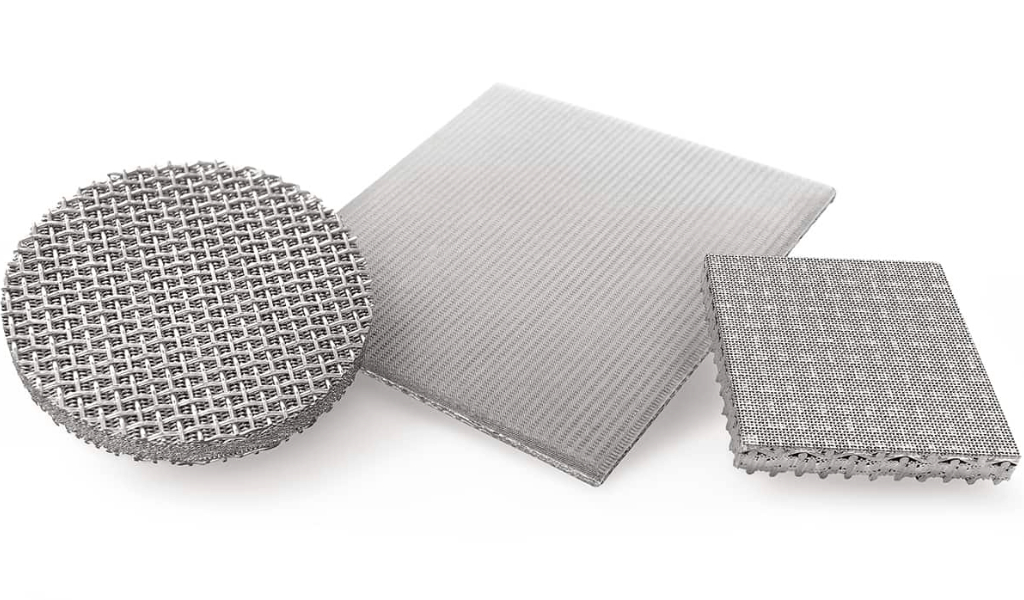
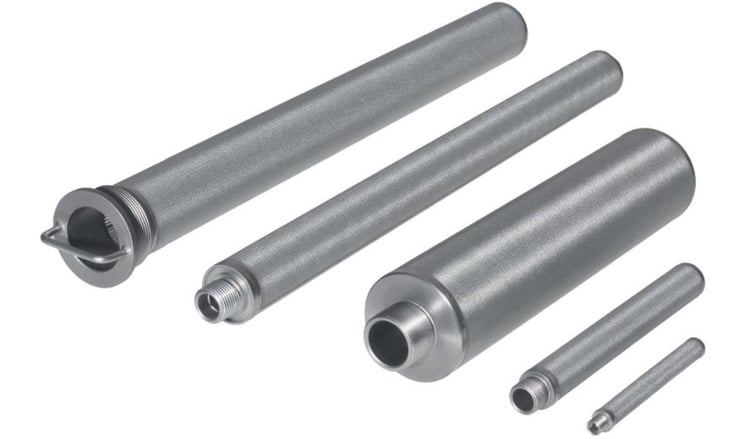
Sintered-Wire-Mesh-Candle-Filter

When efficiency and durability matter, woven wire mesh delivers unmatched performance in hot gas filtration systems. Engineered for rigid stability under pressure variations, this material ensures consistent filtration even in fluctuating environments.

Its high-temperature resistance makes it ideal for applications where heat can compromise other filter media, while superior corrosion resistance protects against aggressive gases and harsh chemical exposure. Designed to endure countless maintenance cycles without losing integrity, woven wire mesh offers a long service life and reduced downtime, making it the most cost-effective and reliable choice for industrial filtration.

Whether you’re optimizing performance or minimizing operational risks, woven wire mesh stands as the proven solution for cleaner, safer hot gas filtration.

Keep Your Process Thriving Through Extreme Heat Challenges

Extreme heat can push filtration systems to their limits, impacting mesh integrity, efficiency, and safety. Learn practical strategies for selecting materials, designing for thermal stress, and maintaining performance when temperatures soar. These insights help you prevent costly failures and keep your process running at peak reliability.

Challenges Woven Wire Mesh Can Solve

faviconHigh-Temperature Resistance
Hot gas filtration often involves extreme temperatures that degrade conventional filter media. Woven wire mesh withstands temperatures exceeding 1000°C, maintaining structural integrity and filtration efficiency without melting or warping.

favicon

Mechanical Strength Under Pressure
Filters often fail under high-pressure differentials in gas systems. Woven wire mesh delivers exceptional tensile strength and rigidity, preventing collapse or deformation during demanding operations.


faviconCorrosion and Oxidation Protection
Aggressive gases and chemical environments can corrode standard filters. Stainless steel or exotic alloy woven wire mesh provides superior corrosion resistance, ensuring long-term durability in harsh industrial conditions.

faviconEasy Cleaning and Reusability
Disposable filters increase operational costs and downtime. Woven wire mesh is designed for backwashing and thermal cleaning, making it reusable and cost-effective for continuous hot gas filtration.

faviconPrecise Filtration Efficiency
Inconsistent particle retention can compromise process quality. Woven wire mesh offers customizable micron ratings and uniform pore sizes, delivering reliable filtration for fine particulates in hot gas streams.

faviconThermal Shock Resistance
Rapid temperature fluctuations can crack or damage brittle filter materials. Woven wire mesh absorbs thermal stress without fracturing, ensuring consistent performance during start-up and shutdown cycles.

The Right Alloy Makes All the Difference

Hot gas filtration isn’t just about the mesh pattern, it’s about survival in extreme conditions. High temperatures and corrosive gases can weaken or destroy the wrong material, leading to failures, contamination, and costly downtime.

Choosing the right alloy ensures:

  • Heat Resistance: Maintains strength at elevated temperatures.
  • Corrosion Protection: Withstands chemical attack in harsh gas streams.
  • Reliability: Reduces maintenance and safeguards process integrity.

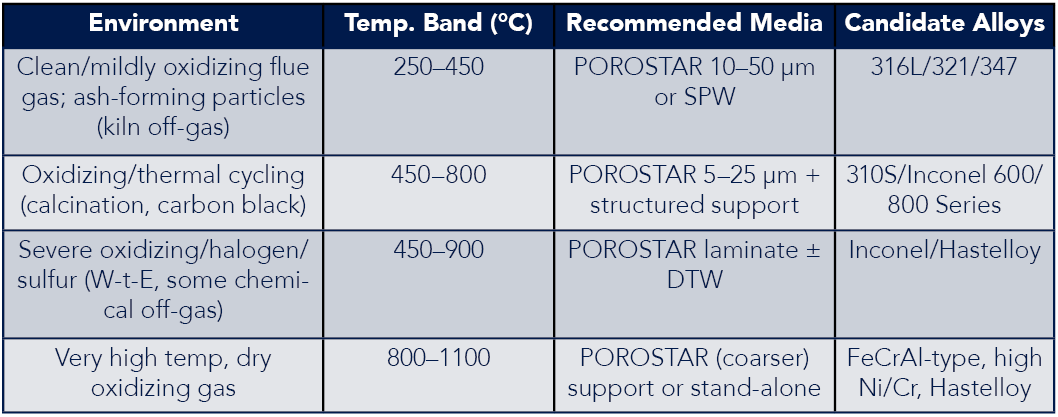
Your operating environment drives material choice. This table helps you match mesh specifications and alloys to your conditions, so your filtration system performs flawlessly.

Material Construction Table-Hot Gas

When Mesh Design Impacts Filtration Performance

Hot gas filtration isn’t one-size-fits-all. Your target cut-point, particle loading, and cleanability requirements determine how the mesh behaves in real-world conditions. The wrong specification can lead to clogging, poor separation, and excessive downtime.

Choosing the right mesh design ensures:

  • Precision Filtration: Achieves the desired particle cut-point for process quality.
  • Load Handling: Maintains flow and efficiency under heavy particulate conditions.
  • Easy Cleaning: Supports effective backflushing or regeneration to minimize downtime.

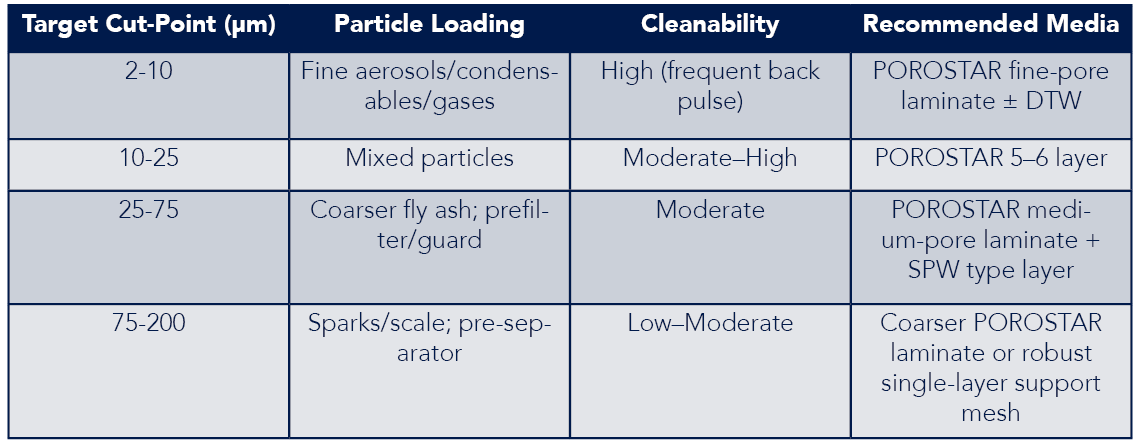
This table helps you align mesh specifications with your process goals—so your system runs cleaner, longer, and more reliably.

Media Selection Guide - Hot Gas

Precise Filtration Starts with the Right Mesh

Mesh specifications define filtration success. The right design ensures accurate particle capture, handles heavy loading, and supports easy cleaning, keeping your system efficient and reliable.
Learn More →
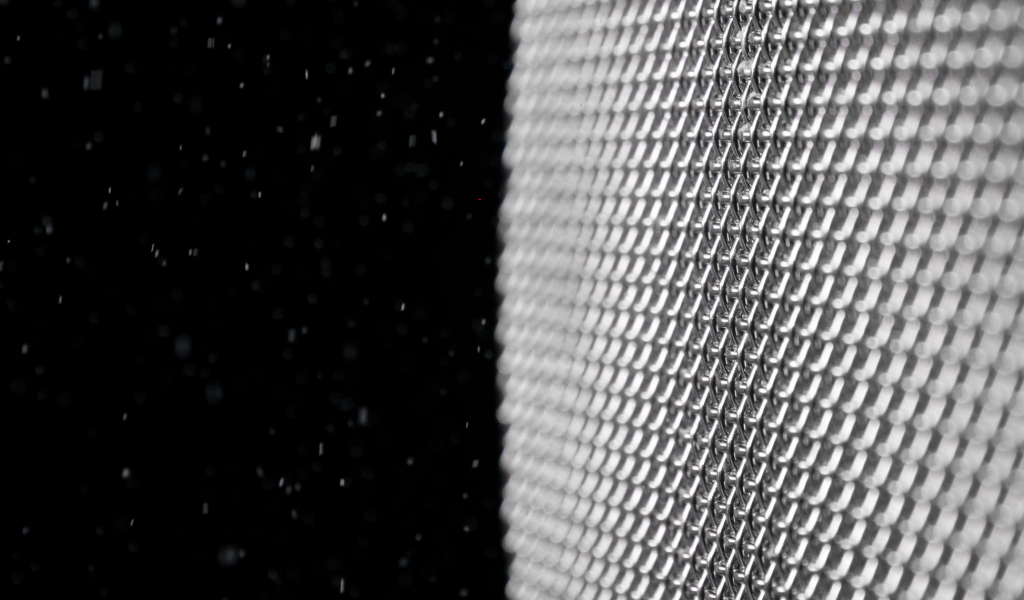
wire-mesh-gas-filtration
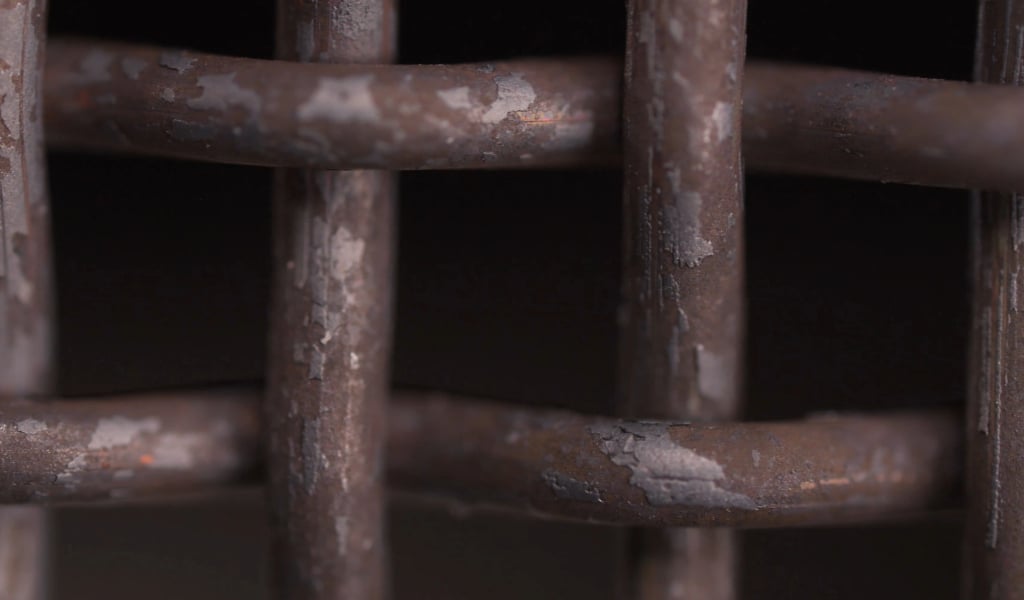
hot-gas-degradation

Spotting Degradation Early Matters

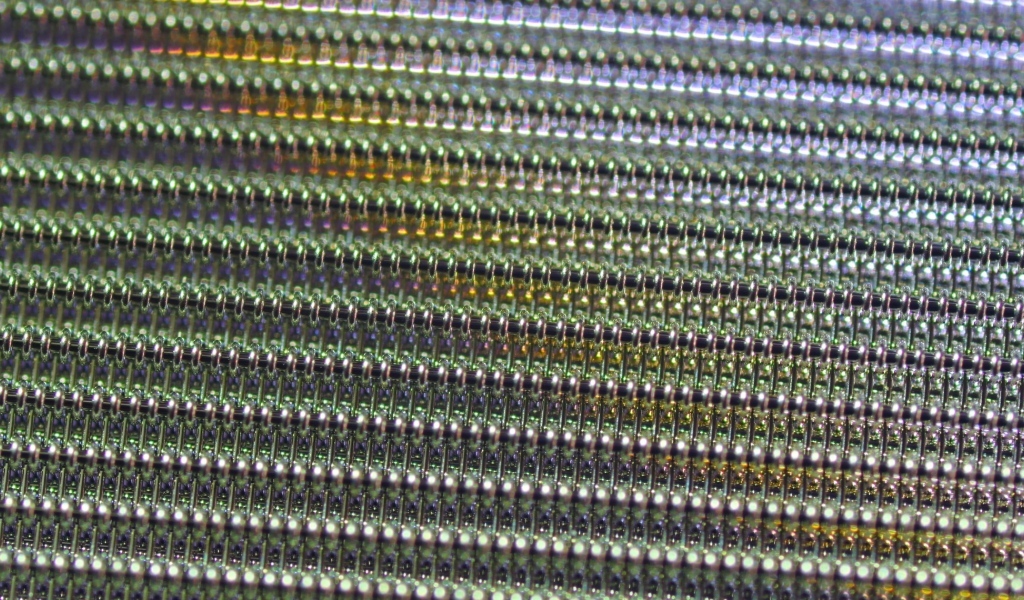
Hot gas filtration systems rarely fail overnight, but may degrade gradually. Early signs like reduced flow, rising pressure drop, or uneven cleaning cycles signal that your mesh may be losing efficiency. Catching these issues early prevents contamination, protects equipment, and avoids costly downtime.

Learn More →

Inefficient Hot Gas Filtration Comes At A Price

When hot gas filtration underperforms, the impact goes far beyond clogged mesh. Energy waste, increased maintenance, and unplanned downtime quietly erode profitability. Understanding these unseen costs is key to protecting your process and your bottom line.
Learn More →
hot-gas-filter-energy

Cleaner, Safer Filtration Tailored Wire Mesh Elements

Trusted Performance
Engineered for Extreme Heat

Discover how W.S. Tyler’s fabricated parts and custom
filters can transform your hot gas filtration system with
perfectly balanced strength, durability, and efficiency,
engineered to thrive under extreme temperatures and
demanding conditions.

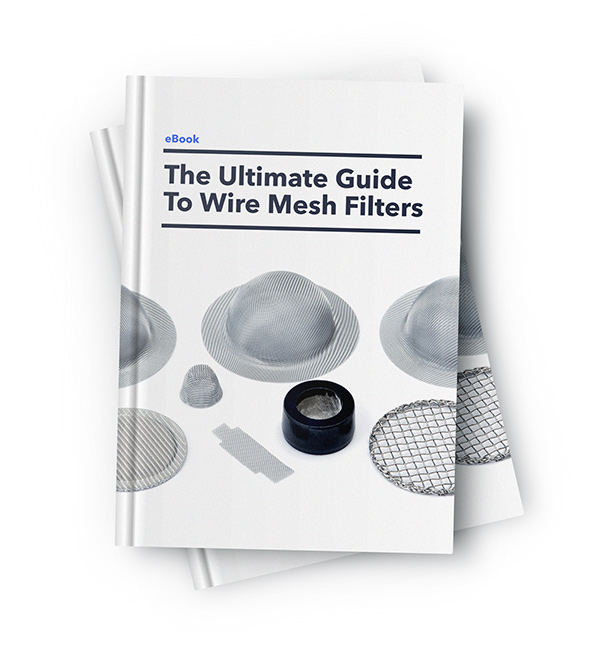
Access Brochure Here

Frequently Asked Questions

Why is woven wire mesh the best choice for hot gas filtration?

Woven wire mesh is the preferred solution for hot gas filtration because it combines precision, durability, and adaptability in environments where other filter media fail. Unlike non-metallic filters, wire mesh maintains structural integrity at temperatures exceeding 1000°F (538°C) and resists thermal fatigue, oxidation, and chemical attack. Its uniform openings deliver consistent particle capture, which is critical for processes requiring tight cut-points and product purity. Additionally, woven wire mesh offers superior cleanability and reusability, reducing downtime and operating costs compared to disposable filters. Industries such as chemical processing, power generation, and metallurgy rely on woven wire mesh because it ensures reliable performance under harsh conditions, supports sustainability, and minimizes total cost of ownership.

How do I select the right alloy for my woven wire mesh filter?

Alloy selection is one of the most important decisions for hot gas filtration because temperature and gas chemistry directly impact material performance. For moderate temperatures and mild corrosion, stainless steel grades like 304 or 316 are common due to their balance of strength and corrosion resistance. For extreme heat or aggressive chemical environments, nickel-based alloys such as Inconel or Hastelloy are preferred because they resist oxidation and maintain mechanical strength under thermal stress. Key factors to consider include:

  • Operating temperature range (continuous vs. peak)
  • Gas composition (oxidizing, reducing, or corrosive)
  • Exposure duration and thermal cycling Selecting the wrong alloy can lead to premature failure, contamination, and costly downtime. Matching alloy properties to your process conditions ensures long-term reliability and safety.
What mesh specifications influence filtration efficiency?

Mesh specifications—mesh count, wire diameter, and weave type—directly determine filtration performance. A finer mesh provides a tighter cut-point for capturing smaller particles but increases pressure drop, which can affect flow rates and energy consumption. Coarser meshes improve flow but sacrifice precision. Weave patterns such as plain weave (simple and stable) or twill weave (added strength and flexibility) influence cleanability and mechanical stability. Balancing these specifications ensures:

  • Accurate particle separation
  • Optimized flow and pressure drop
  • Ease of cleaning and maintenance Understanding these parameters is essential for designing a system that meets your performance goals without compromising efficiency or uptime.
Can woven wire mesh filters be cleaned and reused?

Yes! In fact, this is one of the biggest advantages of woven wire mesh. Unlike disposable filters, wire mesh can be cleaned through backflushing, thermal regeneration, or chemical cleaning, depending on the contaminants and operating conditions. Proper cleaning restores filtration performance and significantly reduces replacement costs. Implementing a regular cleaning schedule not only extends filter life but also ensures consistent process efficiency. This makes woven wire mesh a sustainable solution for industries where downtime and consumable costs are major concerns. For best results, cleaning methods should be matched to the type of fouling and alloy used.

What are the early signs of woven wire mesh degradation?

Detecting degradation early prevents costly failures and contamination. Common indicators include:

  • Increased pressure drop (suggesting fouling or blockage)
  • Reduced flow rates
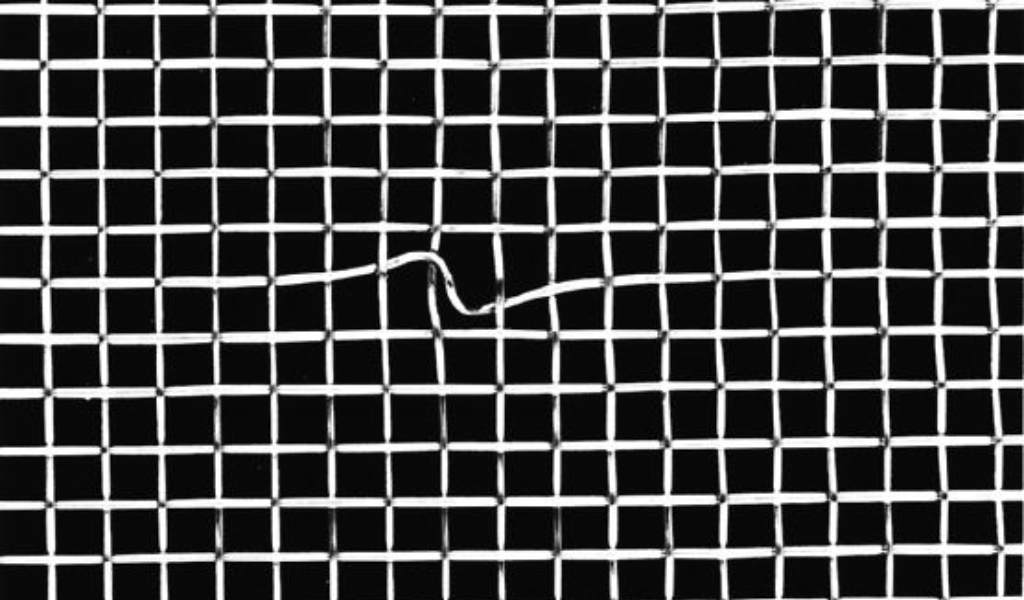
  • Uneven cleaning cycles Physical signs such as warping, corrosion spots, or broken wires indicate thermal fatigue or chemical attack. Ignoring these symptoms can lead to contamination, equipment damage, and unplanned shutdowns. Regular inspections and performance monitoring help identify issues before they escalate, ensuring your filtration system remains reliable and efficient under demanding conditions. Proactive maintenance is key to maximizing uptime and protecting your bottom line.

Explore Wire Mesh
Solutions for Peak
Hot Gas Filtration

Schedule your meeting with a W.S. Tyler advisor to get started.