




Skip to content

Boost Desalination System Performance and Longevity With Engineered Woven Wire Mesh Solutions

As global demand for clean water rises, W.S. Tyler brings over 150 years of wire weaving expertise to support the advancement of desalination technologies. Our engineered mesh solutions are designed to enhance energy efficiency, resist corrosion in harsh saline environments, and reduce biofouling across critical system components, from
pre-filtration screens to membrane protection layers. By optimizing fluid flow and safeguarding sensitive equipment, we help ensure long-term reliability and performance in both thermal and membrane-based desalination systems.

Optimize Desalination Efficiency with
High-Performance Woven Wire Mesh

Water-Filter-Drawing

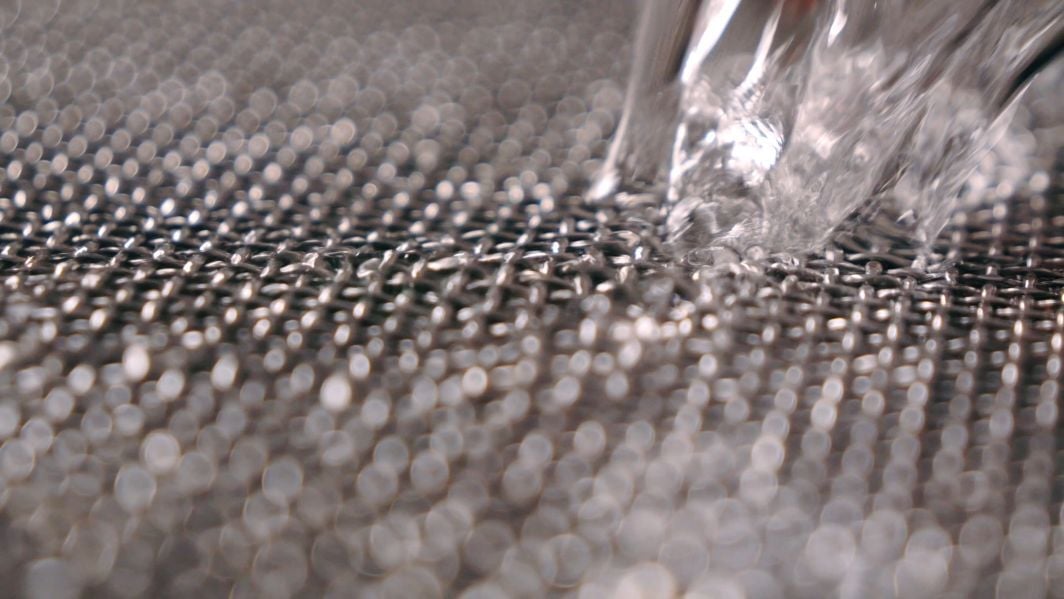
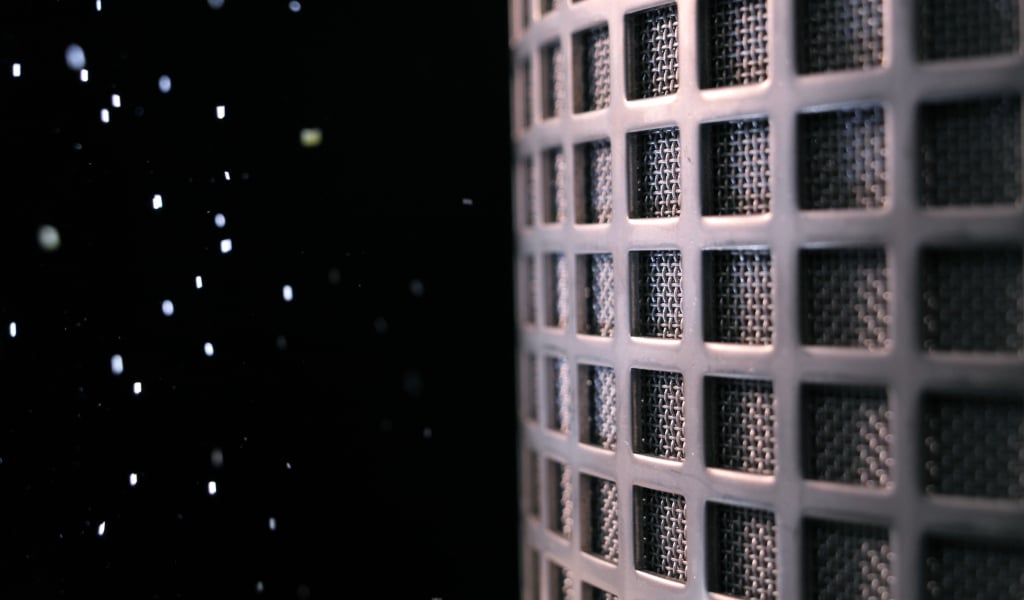
Desalination is rapidly expanding worldwide, with reverse osmosis (RO) leading due to its energy efficiency compared to thermal methods like MSF, MED, and MVC. Pretreatment is essential to protect membranes from fouling and scaling caused by suspended solids, bacteria, and salts, which can increase costs and reduce system performance.

W.S. Tyler’s woven wire mesh plays a critical role in pretreatment by offering high-precision filtration that removes contaminants before they reach sensitive membranes. Our mesh solutions improve flow rates, reduce chemical usage, and extend membrane life, lowering the total cost of ownership.

As desalination shifts toward membrane and osmotically driven processes, especially in regions with mild climates and moderate salinity, robust filtration becomes even more vital. W.S. Tyler continues to innovate with customizable mesh designs that support both current and emerging desalination pre-filtration efforts.

Filter-Element-Design

Why Filter Element Design Matters

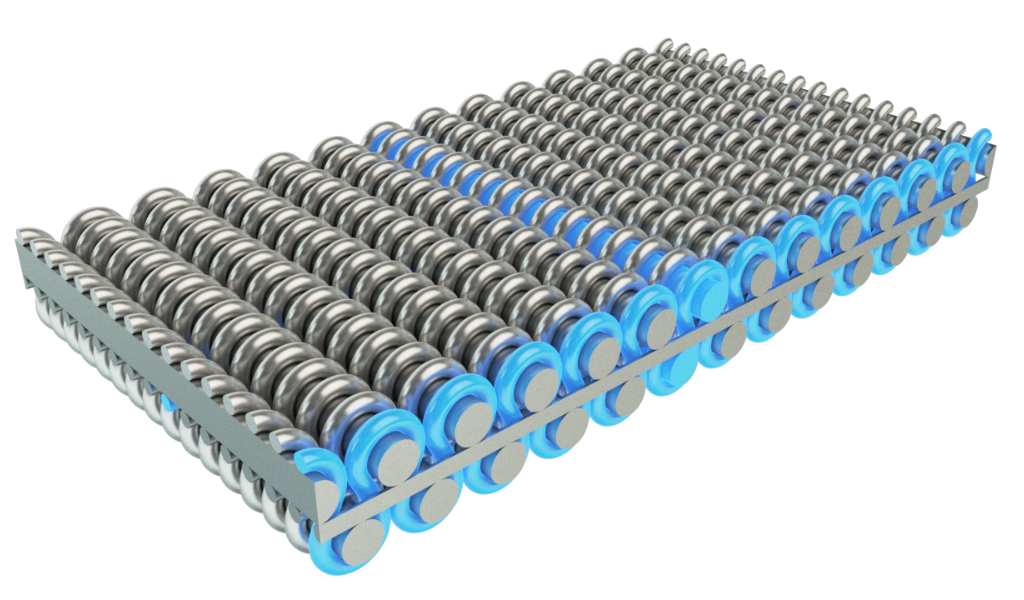
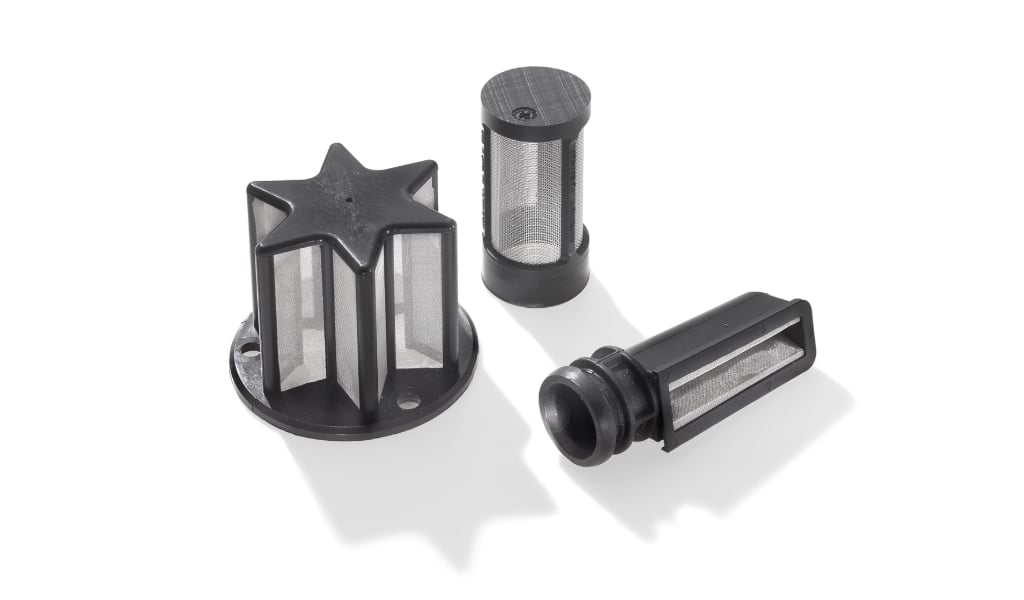
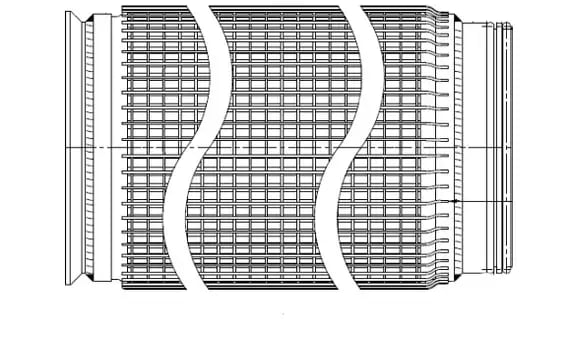
We offer both non-sintered and sintered filter elements, each tailored to specific operational needs. Non-sintered elements provide flexibility and are ideal for applications requiring frequent replacement or lower pressure resistance. Sintered elements, on the other hand, offer up a 25% increaser to burst pressure resisntace compared to non-sintered filter elements.

Built-for-Harsh-Conditions

Built for Harsh Conditions

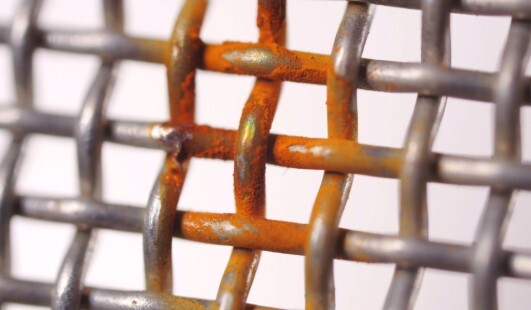
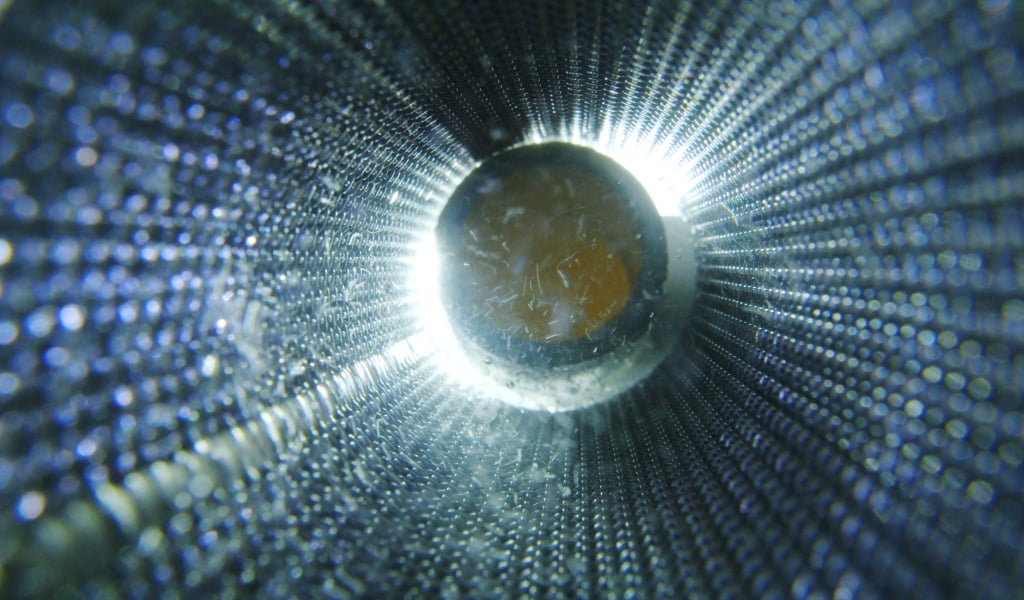
Desalination systems operate in highly corrosive environments. That’s why material selection is critical. W.S. Tyler provides high-alloy mesh solutions, including AVESTA, a premium stainless steel known for its exceptional resistance to chloride-induced corrosion. In fact, W.S. Tyler is the only supplier capable of delivering series-ready Avesta 254 SMO mesh laminates, a testament to our advanced manufacturing capabilities.

Wire-Mesh-Cleaning

Supporting Self-Cleaning Systems

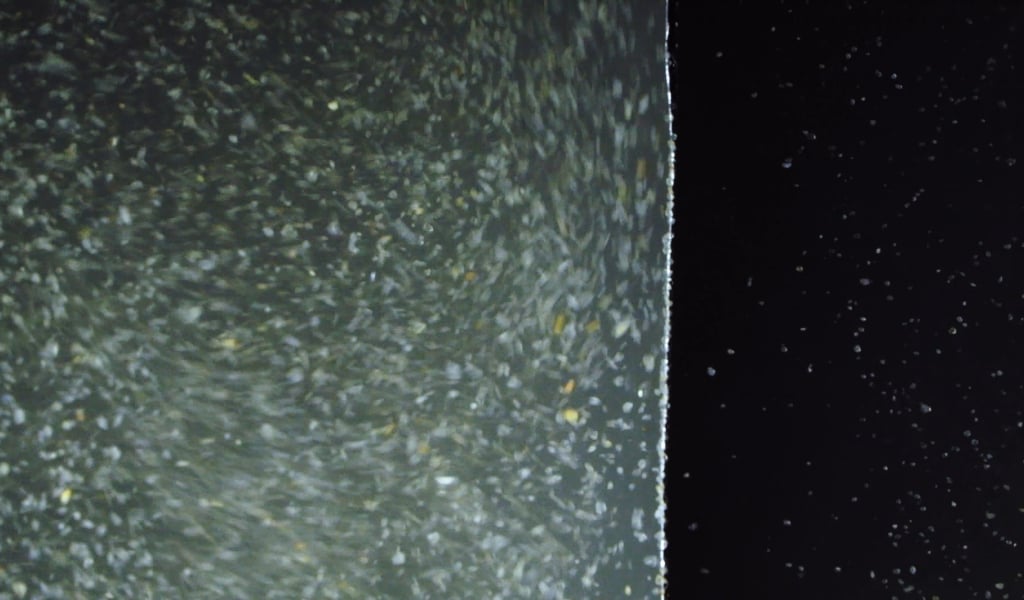
Our mesh is used in multilayer filter elements within self-cleaning automatic filters, which are increasingly favored for their low maintenance and operational efficiency. These multilayer designs ensure optimal filtration while supporting continuous operation, critical for large-scale desalination plants.

Futureproof-Pre-Filtration

Futureproof Pre-Filtration

As desalination evolves toward membrane and osmotically driven processes, especially in regions with mild climates and moderate salinity, robust pretreatment becomes even more vital. W.S. Tyler continues to innovate with customizable mesh designs that support both current and emerging filtration technologies.

How Woven Wire Mesh Is Leading The Industry


Benefits Of Using Woven Wire Mesh:

  • Energy-efficient filtration with high flow and minimal pressure loss
  • Minimizes biofouling through efficient backwashing
  • High-alloy construction resists corrosion and chemicals
  • Process stability
  • Sustainable filtration that reduces waste and supports long-term efficiency
  • Lower operating costs through energy savings and longer system life

Limitations of Competing Filtration Technologies:

  • Inconsistent filtration under pressure
  • Limited customization for site-specific needs
  • Material breakdown in harsh conditions
  • Wasteful Replacement Cycles
  • Hidden long-term costs
  • Limited lifecycle data and predictability

Unlocking Desalination Efficiency: The Role of Woven Wire Mesh

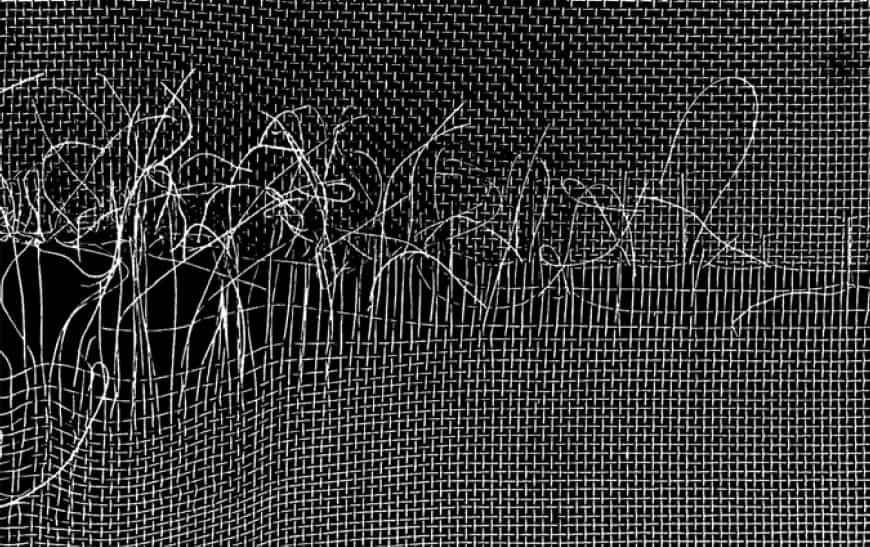
Woven wire mesh enhances desalination by filtering out solids and biological contaminants before they reach membranes. This reduces fouling and scaling, improves system efficiency, and extends membrane life. Its durability and precision make it ideal for pretreatment in high-salinity environments. By improving water quality upfront, wire mesh helps lower chemical use and operational costs. It’s a key component in reliable, long-term desalination performance.

Address Demanding Desalination With Wire Mesh

favicon

Energy Efficiency
 Fouled or scaled membranes require more pressure and energy to operate effectively. Clean feedwater enabled by wire mesh filtration reduces energy demand, improving overall system efficiency.

faviconScaling from Inorganic Deposits
Woven wire mesh is highly effective at removing larger particulates. For improved pretreatment, multi-layer (non-sintered) or sintered filter elements offer enhanced fine filtration, helping reduce fouling and extend membrane life.

faviconVariable Raw Water Quality
Feedwater salinity and composition vary by location, requiring adaptable filtration solutions. Woven wire mesh is customizable by weave pattern and material, allowing precise filtration tailored to site-specific water conditions.

faviconHigh Pretreatment Costs
Pretreatment systems can be expensive to install and maintain, especially when chemical use is high. Wire mesh offers a low-maintenance, mechanical filtration option that reduces chemical dependency and lowers the total cost of ownership.

favicon

Membrane Damage and Downtime
Inadequate pretreatment leads to frequent membrane replacement and system downtime. By capturing harmful solids before they reach membranes, wire mesh protects system integrity and supports longer operating cycles.


faviconFouling from Suspended Solids
Solids Seawater often contains bacteria, algae, and organic matter that accumulate on membranes, reducing throughput and increasing cleaning frequency. Woven wire mesh filters out these contaminants early in the process, minimizing fouling and maintaining consistent membrane performance.

Efficiency Begins with Layer Setup

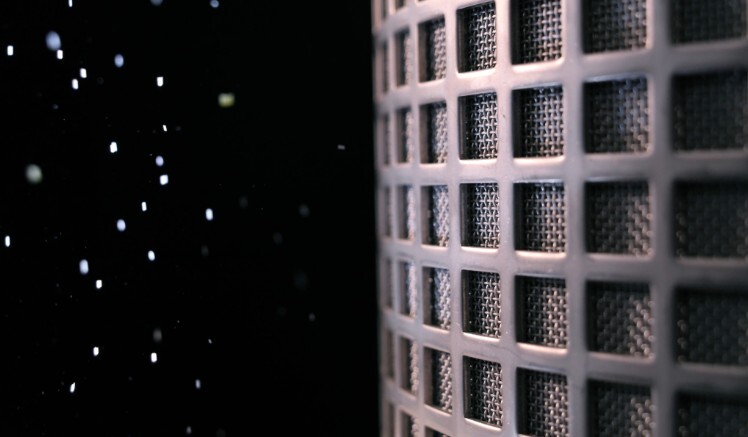
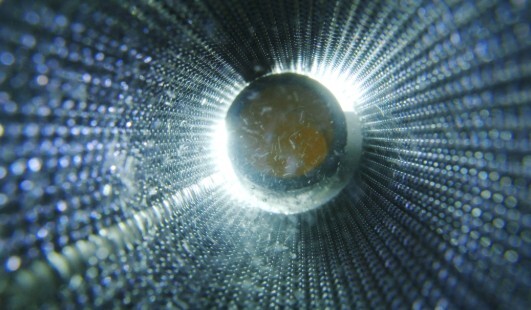
The structural differences between sintered and multilayer mesh screens directly impact filtration precision, durability, and resistance to fouling. Choosing the right mesh type is essential for maintaining consistent flow, minimizing maintenance, and optimizing long-term system efficiency in desalination environments.
Learn More →
desalination-water-filter-component
desalination-water-cylindrical-filter-element

Filter Choice Matters

Wire mesh and wedge wire filters, while both popular desalination filter media, offer distinct advantages in desalination, from flow consistency to fouling resistance. Understanding their structural differences is key to selecting the most efficient solution for long-term system performance.

Learn More →

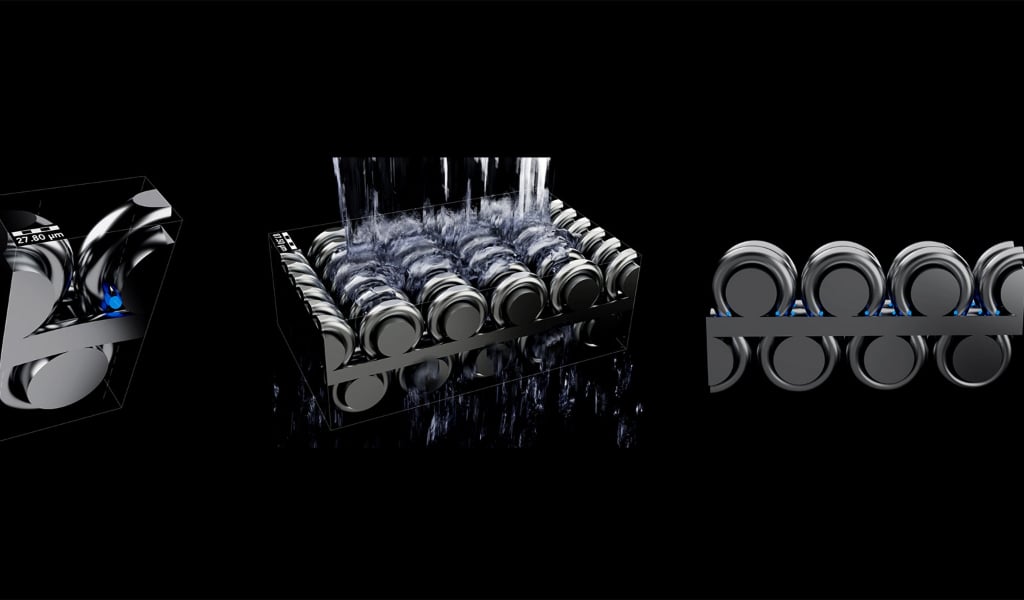
Smart Alloys. Strong Systems.

Material selection plays a critical role in resisting corrosion caused by saltwater and harsh operating conditions. Choosing the right alloy ensures long-term durability, reduces maintenance costs, and protects system integrity in desalination environments.
Learn More →
desalination-water-filter-corrosion

Woven for Sustainable Desalination

Innovating Desalination with
Precision Mesh

Curious how wire mesh can make your desalination system run smoother, last longer, and cost less? Grab the Ultimate Guide
and see what it can do for you.

Download Ebook

Frequently Asked Questions

How does woven wire mesh contribute to energy efficiency in reverse osmosis systems?

Woven wire mesh enhances energy efficiency in various desalination processes by improving the pretreatment stage, which is critical for maintaining optimal membrane performance. Effective pretreatment reduces membrane fouling and clogging, allowing water to pass through with less resistance and lowering the pressure required from high-energy pumps.

This results in reduced energy consumption and longer membrane lifespan.

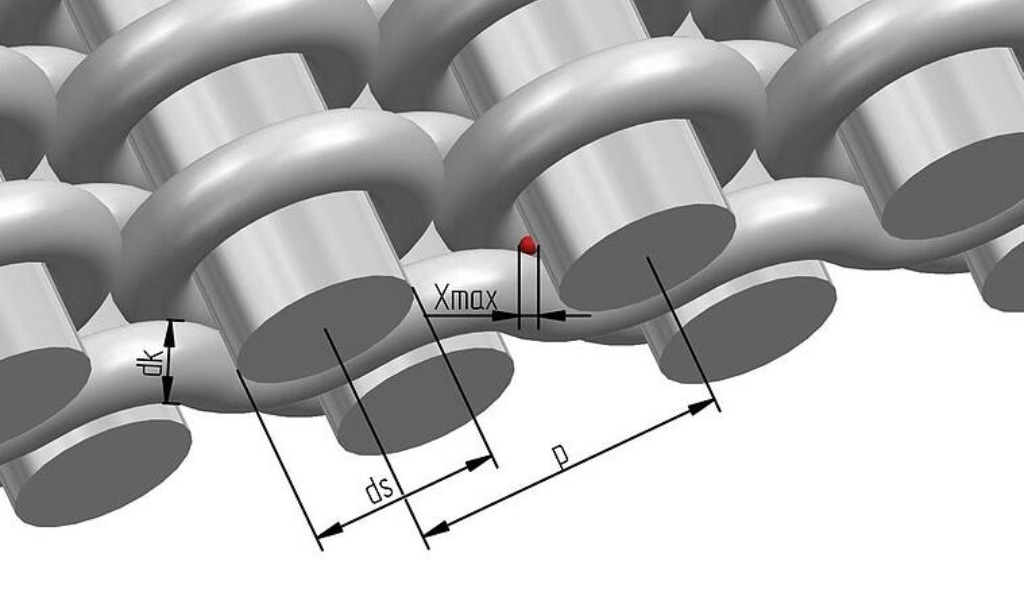
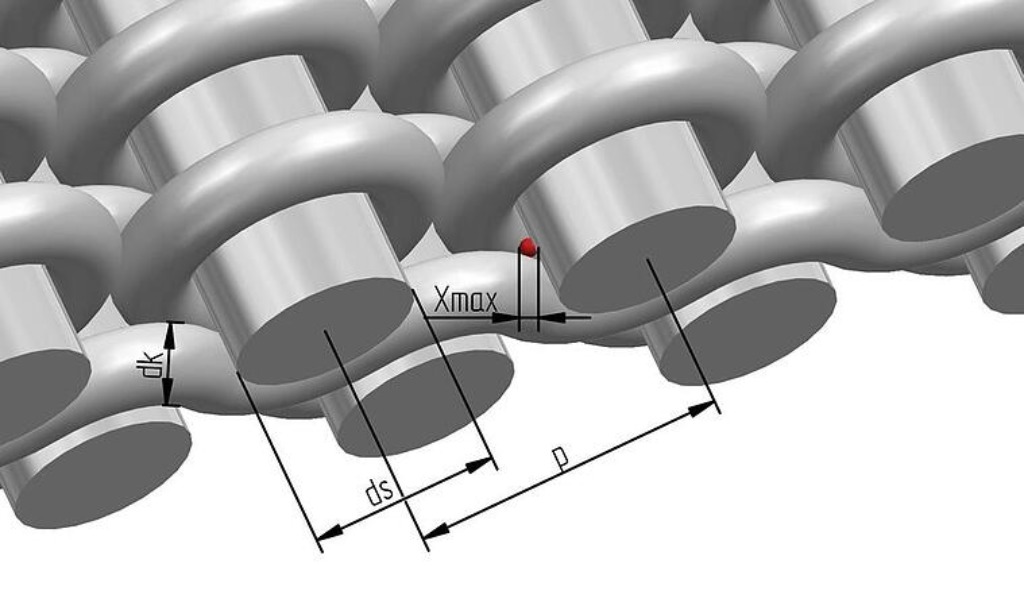
Advanced mesh designs, such as our RPD HIFLO-S weave, offer high flow rates with minimal pressure drop, supporting more efficient system operation. While many mesh types can aid in pretreatment, precision-engineered options like RPD HIFLO-S provide added value in demanding environments where consistency and performance are key.

Is woven wire mesh durable enough for high-salinity and chemically aggressive desalination environments?

Yes, woven wire mesh is specifically engineered to withstand the harsh conditions found in seawater and brackish water desalination. Many competing filtration materials degrade over time due to corrosion, chemical exposure, or mechanical stress.

Woven wire mesh, especially when made from high-alloy stainless steels or duplex materials, offers exceptional resistance to corrosion, biofouling, and chemical attack. This durability ensures long-term performance in aggressive environments, reducing the need for frequent replacements and minimizing the risk of system failure.

What causes membrane fouling in desalination, and how does woven wire mesh help prevent it?

Membrane fouling is one of the most common and costly issues in desalination, caused by the accumulation of suspended solids, organic matter, microorganisms, and biofilms on membrane surfaces. This buildup reduces water flow (flux), increases energy consumption, and leads to more frequent chemical cleaning or membrane replacement.

Woven wire mesh serves as a highly effective pretreatment solution by physically removing these contaminants before they reach the membranes. Its precision filtration capabilities help maintain consistent water quality, reduce fouling rates, and extend membrane life, ultimately improving system uptime and lowering operational costs. 

Can woven wire mesh be customized for different raw water conditions in desalination plants?

Absolutely. Desalination plants often deal with varying feedwater sources, ranging from brackish groundwater to open seawater, each with unique contaminant profiles and salinity levels.

Woven wire mesh can be tailored by adjusting the weave type, aperture size, and material composition to meet specific filtration requirements. This customization ensures optimal performance regardless of water source, helping operators maintain consistent output quality and system reliability.

What are the long-term cost benefits of using woven wire mesh in desalination pretreatment?

While some filtration media may appear more affordable upfront, they often come with hidden costs—frequent replacements, higher energy use, increased chemical dosing, and more labor-intensive maintenance.

Woven wire mesh offers a longer service life, superior cleanability (especially with backwashing), and consistent filtration performance. These advantages translate into lower total cost of ownership (TCO) and reduced operational expenses (OPEX), making it a smart long-term investment for desalination operators focused on efficiency and sustainability.

Explore Wire Mesh Solutions for Hydrogen Systems

Comparing Sintered vs. Multilayer Mesh Screens in Desalination-featured-image

Comparing Sintered vs. Multilayer Mesh Screens in Desalination

Click to view Comparing Sintered vs. Multilayer Mesh Screens in Desalination
Desalination systems operate under extreme conditions including high pressure, corrosive environments, and...
GO TO BLOG POST Click to view blog post
Biofouling in Desalination: Causes, Consequences, and Solutions-featured-image

Biofouling in Desalination: Causes, Consequences, and Solutions

Click to view Biofouling in Desalination: Causes, Consequences, and Solutions
Desalination systems, particularly those utilizing reverse osmosis (RO), are vital for addressing global...
GO TO BLOG POST Click to view blog post
Wire Mesh vs. Wedge Wire: What’s the Best Filter for Desalination?-featured-image

Wire Mesh vs. Wedge Wire: What’s the Best Filter for Desalination?

Click to view Wire Mesh vs. Wedge Wire: What’s the Best Filter for Desalination?
Desalination systems face a unique challenge: maintaining high filtration efficiency while minimizing...
GO TO BLOG POST Click to view blog post
Corrosion Resistance in Desalination Systems: Choosing the Right Alloy-featured-image

Corrosion Resistance in Desalination Systems: Choosing the Right Alloy

Click to view Corrosion Resistance in Desalination Systems: Choosing the Right Alloy
Saltwater desalination systems operate in one of the most corrosive environments in industrial processing....
GO TO BLOG POST Click to view blog post
The Hidden Costs of Filtration Failures in Desalination Operations-featured-image

The Hidden Costs of Filtration Failures in Desalination Operations

Click to view The Hidden Costs of Filtration Failures in Desalination Operations
Desalination systems are critical components in industrial water treatment operations, where consistent...
GO TO BLOG POST Click to view blog post
Key Maintenance Challenges in Desalination Operations-featured-image

Key Maintenance Challenges in Desalination Operations

Click to view Key Maintenance Challenges in Desalination Operations
Desalination operations are critical for providing fresh water in regions facing scarcity, but they come with...
GO TO BLOG POST Click to view blog post
The Impact of Filtration Design on Desalination-featured-image

The Impact of Filtration Design on Desalination

Click to view The Impact of Filtration Design on Desalination
Desalination is a critical solution for addressing global water scarcity, but its implementation often...
GO TO BLOG POST Click to view blog post
How Woven Wire Mesh Enhances Water Filtration Performance-featured-image

How Woven Wire Mesh Enhances Water Filtration Performance

Click to view How Woven Wire Mesh Enhances Water Filtration Performance
Water filtration systems face constant pressure to perform reliably while handling a wide range of...
GO TO BLOG POST Click to view blog post
The Role of Woven Wire Mesh in Reducing Fouling during Water Filtration-featured-image

The Role of Woven Wire Mesh in Reducing Fouling during Water Filtration

Click to view The Role of Woven Wire Mesh in Reducing Fouling during Water Filtration
Fouling is one of the most disruptive issues in water filtration systems. Whether caused by biological...
GO TO BLOG POST Click to view blog post
Wire Mesh vs. Cartridge Filters: Which Is Best for Water Filtration?-featured-image

Wire Mesh vs. Cartridge Filters: Which Is Best for Water Filtration?

Click to view Wire Mesh vs. Cartridge Filters: Which Is Best for Water Filtration?
Water filtration is a vital process across industries, but choosing the right filter type can be a major...
GO TO BLOG POST Click to view blog post

Schedule your meeting with a W.S. Tyler advisor to get started.