Skip to content

Redefined Performance for Recirculating Aquaculture Systems 

Stabilized Water. Improved Fish Health. Reduced Lifecycle Costs.

Recirculating Aquaculture Systems demand filtration that performs consistently under continuous operation. Our RPD HIFLO‑S woven wire mesh is engineered to improve drum filter performance in RAS by delivering increased flow rates without sacrificing filtration capacity, while resisting corrosion, clogging, and chemical degradation common in closed-loop systems.

Upgraded Filtration Performance with RPD HIFLO‑S

High‑flow, clog‑resistant mesh for demanding operation

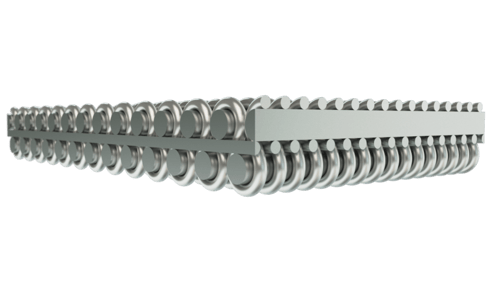
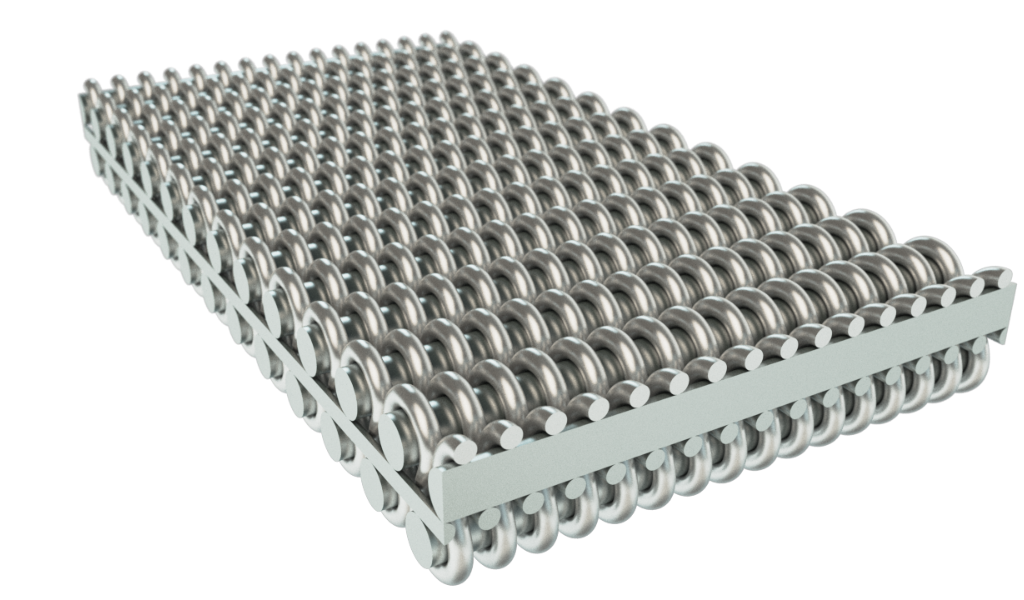
rpd-hiflo-side-view

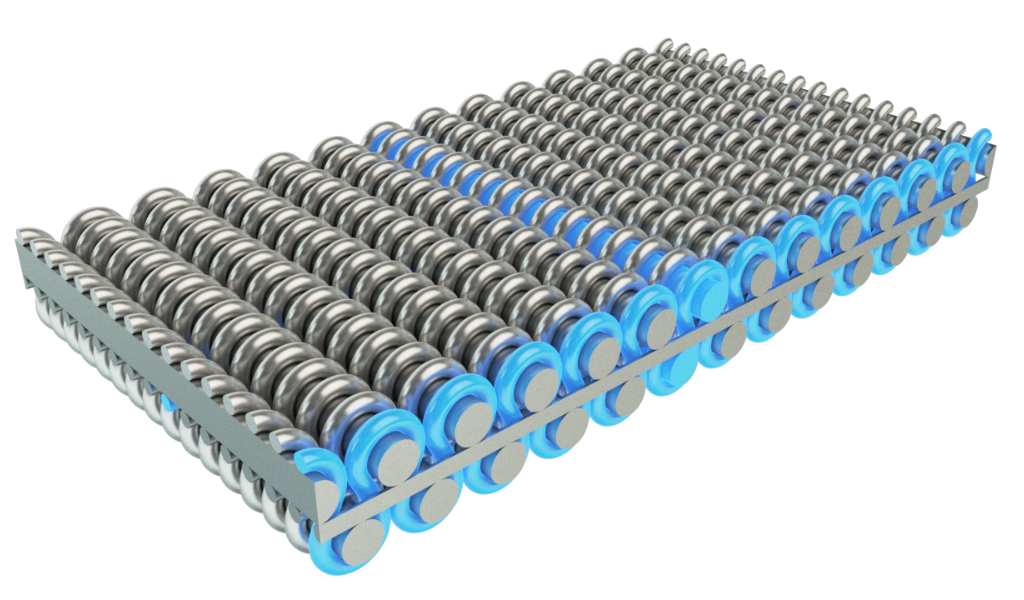
RPD HIFLO‑S is a 3‑D woven metal filter cloth designed to overcome the limitations of traditional 2‑D mesh used in RAS drum filters and disc filters. Its reverse plain Dutch weave offsets pore layers to effectively double pore density, allowing up to twice the flow at the same micron rating without compromising filtration efficiency.

The increased open surface area reduces pressure loss, improving hydraulic balance and overall system stability. Contaminants are retained primarily on the surface of the mesh rather than embedded within it, making backwashing more efficient while resisting clogging, even under higher solids loading.

These performance advantages reduce backwash frequency, mechanical wear, and energy consumption, ultimately extending mesh life. The result is less downtime and a lower total cost of ownership for continuous-duty RAS filtration systems.

Key Performance Benefits:

Increased Flow Rate

Optimized wire geometry allows higher hydraulic throughput without increasing nominal micron size.

Stable Solids Capture
Precisely controlled woven pore sizes provide consistent particle retention critical for protecting downstream biofilters and maintaining water clarity.

Reduced Clogging & Backwash Demand
The weave structure resists particulate lodging and biofouling, reducing backwash frequency and mechanical stress on the drum.

Lower Total Cost of Ownership
Improved flow efficiency, reduced maintenance, and extended mesh life minimize labor and replacement costs.

Improved Performance Without Replacing Capital Equipment

Full drum filter replacement carries significant material costs and results in expensive, productivity‑reducing downtime. We specialize in custom‑fabricated RPD HIFLO‑S mesh retrofits that can accommodate most OEM drum filter designs used in RAS facilities.

Retrofit Capabilities:

  • Engineered‑to‑fit most OEM drum filters

  • Fabricated from drawings, samples, or field measurements

  • Controlled removal of existing mesh to preserve structural integrity

  • Suitable for both planned upgrades and emergency replacements

Retrofit Results:

  • Immediate flow and pressure improvement

  • Lower capital expense versus new equipment

  • Extended life of existing drum filter systems

  • Minimal disruption to ongoing operations

Filtration That Keeps Your RAS Performing

When filtration media blind, flow rates plummet, cleaning cycles increase, and system stability is put at risk. RPD HIFLO is specially engineered to maintain higher, more consistent flow and reliable particle retention, helping your recirculating aquaculture system run cleaner, longer, and more efficiently.

Learn More →
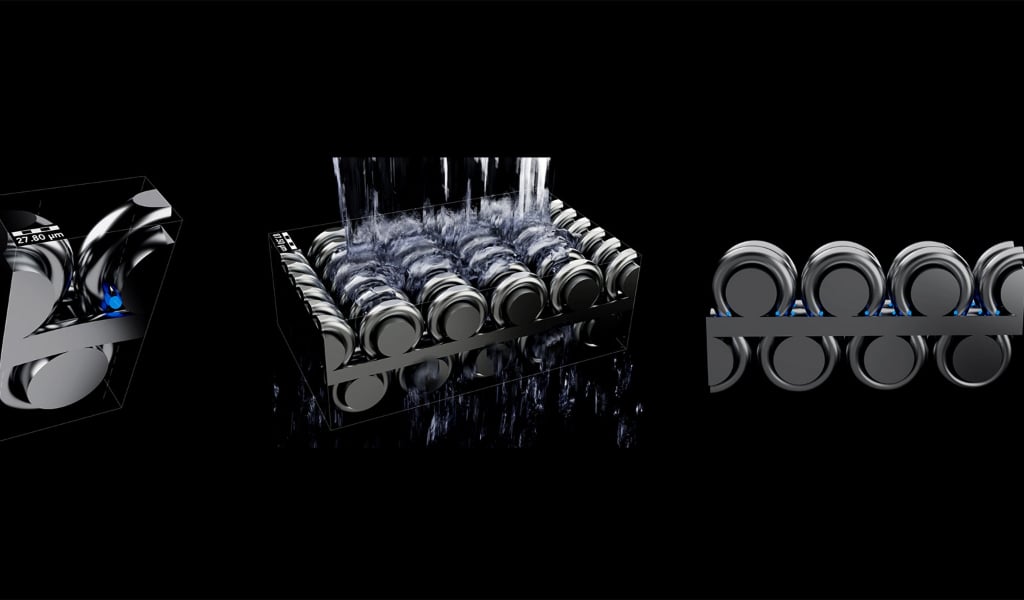
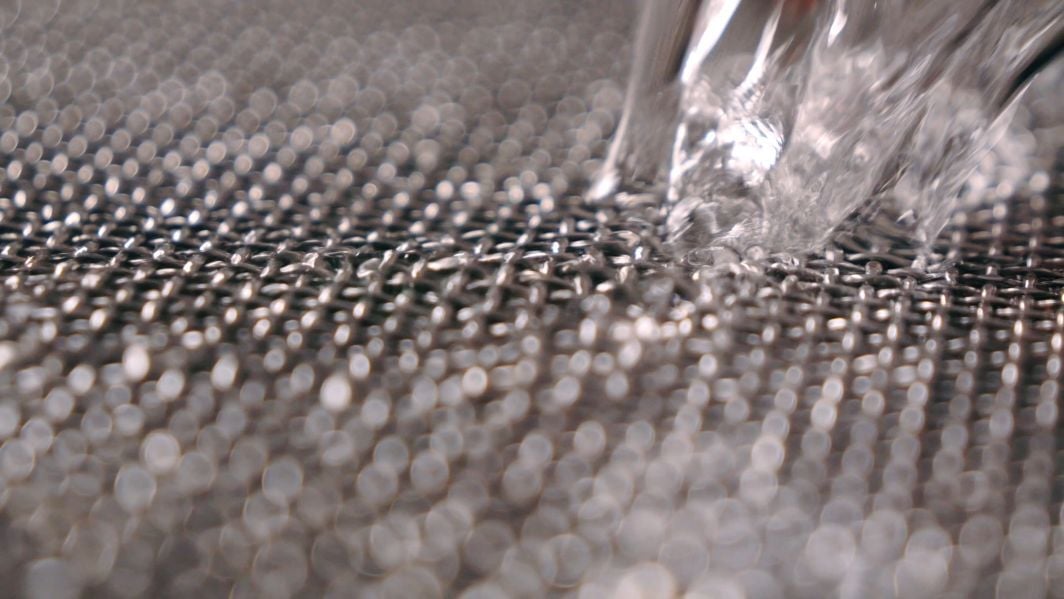
rpd-hiflo-water
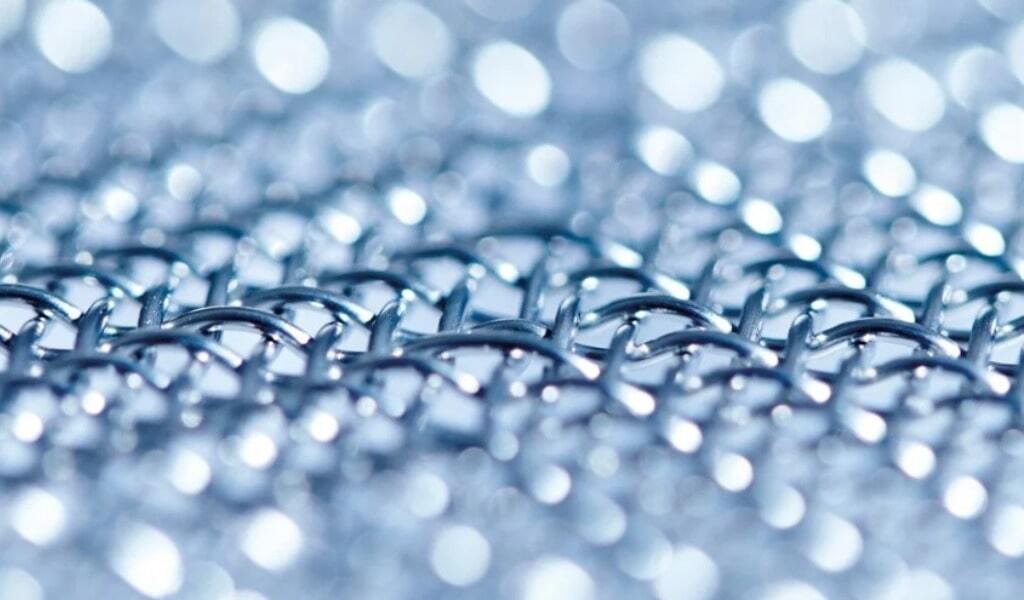
stainless-steel-wire-mesh-water-filter

Filter Media That Won’t Fail Under Pressure

In aquaculture systems, filtration media can stretch, tear, or degrade, leading to unstable water quality and unplanned downtime. Understanding the performance differences between popular media, such as synthetic mesh and stainless steel wire mesh, helps you protect flow stability, reduce maintenance risk, and control long‑term operating costs as system demands increase.

Learn More →

Shaping System Performance For Results You Trust

Your mechanical filter is the first line of defense for water quality, downstream stability, and fish health. Understanding how drum and disc filters differ in flow behavior, footprint, and maintenance demands will help you pinpoint a solution that supports consistent solids removal, protects biological processes, and performance that scales with the growing demands of the industry.

Learn More →
RPD HIFLO Aquaculture

The Science Behind Aquaculture Filter Panels

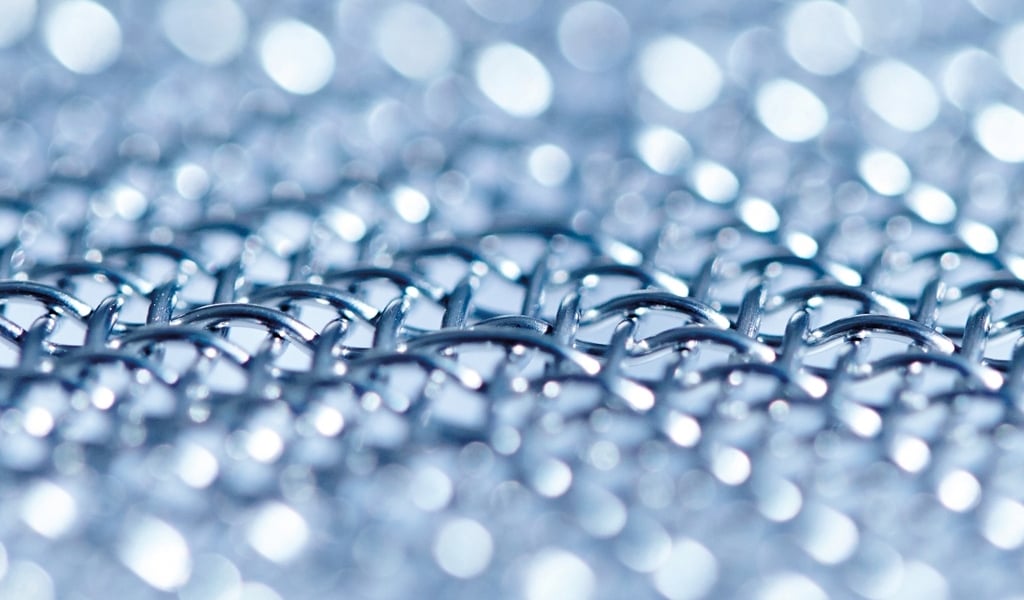
Filter panel performance in aquaculture is driven largely by the wire mesh itself. How it is woven, what it’s made from, and how it interacts with solids and water flow.

Woven wire mesh plays a direct role in filtration efficiency, clogging behavior, and pressure loss, especially in systems that operate continuously. Understanding how mesh structure and material selection affect durability and cleanability helps operators make informed choices that improve reliability and long-term system performance.

Challenges Woven Wire Mesh Can Solve

faviconOrganic loading from feed and waste
Woven wire mesh drum filters and disc filters remove uneaten feed and fecal solids early in the process, preventing them from breaking down into fine organics that increase system loading. By capturing solids at this stage, they help reduce oxygen demand and limit excess nutrient buildup that would otherwise place additional strain on downstream treatment processes.

faviconMaintaining stable microbial conditions
By consistently removing suspended solids, woven wire mesh drum filters and
disc filters help stabilize carbon availability in the water, supporting more predictable microbial activity. This stability reduces fluctuations that can disrupt nitrification performance and overall biological balance in RAS systems.

faviconBiofilm development in pipework and tanks
Effective mechanical removal of organic particles by woven wire mesh drum filters and disc filters limits the nutrients that drive biofilm growth on internal surfaces. With fewer fine solids circulating through the system, biofilm accumulation in pipes and tanks is reduced, helping to lower maintenance requirements while minimizing hydraulic losses.

faviconPathogen transfer through shared water loops
Drum filters and disc filters equipped with precision woven wire mesh intercept particulate‑bound pathogens before they can circulate throughout the system. By reducing the transport of solids between tanks, they help limit the spread of pathogens within shared water loops.

rpd-hiflo-water-aquaculture

High-Flow Engineering for Demanding Aquaculture Filtration

Inside the RPD HIFLO Three-Dimensional Weave

Aquaculture filtration systems must combat contaminants, protect water quality, and operate reliably. Explore the three-dimensional weave designed to deliver optimal flow, stable particle retention, and long service life.
 

Built to Resist Corrosion in Demanding RAS Environments

RAS drum filters and disc filters are often subjected to harsh, continuous-duty environments where saltwater or elevated chloride levels, constant humidity combined with high organic loading, and frequent chemical cleaning and disinfection cycles are common. Together, these conditions impose sustained chemical, mechanical, and corrosive stress on the filter media, making material selection critical to long-term filtration performance and system reliability.

Wire-Cloth-Filter-Alloys

Frequently Asked Questions

Why is early solids removal so critical in recirculating aquaculture systems (RAS)?

Early solids removal prevents uneaten feed and fecal matter from breaking down into fine suspended and dissolved organics that are much more difficult to remove. As these particles degrade, they increase oxygen demand, elevate ammonia production, and place additional strain on biofilters and downstream treatment processes.


Woven wire mesh drum filters and filter plates outfitted with RPD HIFLO‑S intercept these solids at the source, enabling effective filtration before decomposition begins. This early capture not only stabilizes water quality but also reduces overall system loading, supporting consistent biological performance and improved fish health.

How does RPD HIFLO-S support higher flow rates without sacrificing particle retention?

The three‑dimensional weave structure of RPD HIFLO‑S increases the number of available flow paths through the mesh, allowing water to pass with lower resistance compared to traditional filter cloth weaves. This reduces stress on drum filters and filter plates while maintaining high throughput, even as solids accumulate.

At the same time, the precise pore geometry maintains a consistent cut point, ensuring reliable particle retention at defined micron levels.

The result is a filtration solution that balances high flow efficiency with stable separation performance, critical for maintaining hydraulic stability and consistent operation in continuous-duty RAS systems.

How does woven wire mesh improve filtration reliability compared to synthetic media?

Unlike flexible synthetic materials, woven wire mesh in drum filters and filter plates maintains a rigid, fixed pore geometry that does not stretch, deform, or distort under continuous hydraulic loading or repeated cleaning cycles. This ensures consistent filtration performance over time, with predictable particle retention and minimal risk of solids bypass.

At the same time, it is important to consider how conventional plain weave mesh behaves during operation. As surface blinding occurs and pore entrances become partially blocked, filtration characteristics shift. The mesh begins retaining finer particles than its original design intent, resulting in a nominal filter fineness that is effectively lower than its specified absolute rating. For example, a plain weave mesh rated at 60 microns absolute can function closer to a 40 micron filter once blinding develops during normal operation.

Because RPD HIFLO‑S maintains precise and stable pore geometry without relying on surface restriction, a 40 micron RPD HIFLO‑S can deliver comparable real‑world retention to a blinded 60 micron plain weave.

In demanding RAS environments, where high flow rates and frequent backwashing are standard, this structural stability translates into fewer performance fluctuations, reduced risk of unexpected failures, and greater confidence in maintaining consistent water quality across production cycles.

Is RPD HIFLO the only filter cloth to consider for RAS technology?

Not at all. There are other proven options such as SPW (square plain weave) and HIFLO filter cloths that can perform well in aquaculture systems depending on the application. However, RPD HIFLO‑S is often the preferred choice for RAS environments because it combines the key advantages of multiple weave technologies into a single, high‑performance solution.

Its reverse plain Dutch (RPD) weave provides a rigid, durable structure, while the HIFLO design increases open area for higher flow rates. These benefits are further enhanced by its three‑dimensional weave construction, which delivers greater pore density, improved surface filtration, and more efficient cleaning.

The result is a filter cloth that offers higher flow, reduced clogging, longer service life, and better overall performance, making it particularly well‑suited for the continuous, high‑demand conditions of RAS filtration.

How does durable filter media reduce long‑term operating costs in aquaculture?

Filtration media degradation, tearing, or performance loss in drum filters and filter plates can introduce hidden costs, including unplanned downtime, emergency maintenance, and unstable water quality. These disruptions can negatively impact production efficiency and fish health, often outweighing any initial cost savings associated with lower‑durability materials.

High‑strength woven wire mesh is engineered to withstand abrasive solids, repeated cleaning cycles, and continuous operation without compromising structural integrity. This durability extends service life, reduces replacement frequency, and minimizes operational interruptions.

The result is a lower total cost of ownership, along with improved system reliability and more predictable performance in demanding RAS environments.


Why choose stainless steel over synthetic filter media in aquaculture systems?

Stainless steel woven wire mesh offers significant advantages over synthetic materials in RAS drum filters and filter plates, especially in continuous‑duty environments. Its rigid, stable structure maintains a fixed pore geometry that does not stretch, deform, or fatigue under hydraulic loads or repeated cleaning cycles. This structural stability is critical as it ensures consistent filtration accuracy and prevents solids bypass over time.

Because the mesh holds its shape, contaminants remain on the surface rather than embedding into the media. This makes backwashing more effective and efficient, allowing particles to be removed more easily compared to synthetic materials, which can flex and trap solids within the structure. The result is less clogging, more consistent flow, and reduced cleaning intensity.

In addition, stainless steel provides superior resistance to abrasion, corrosion, and chemical exposure, extending service life in harsh aquaculture environments. While synthetic media may offer a lower upfront cost, it is more prone to wear, deformation, and frequent replacement.

Overall, stainless steel delivers greater reliability, easier cleaning, and lower long‑term operating costs, making it the preferred choice for demanding RAS filtration applications.

Explore Wire Mesh Solutions for Cleaner, Safer Pharmacuticals